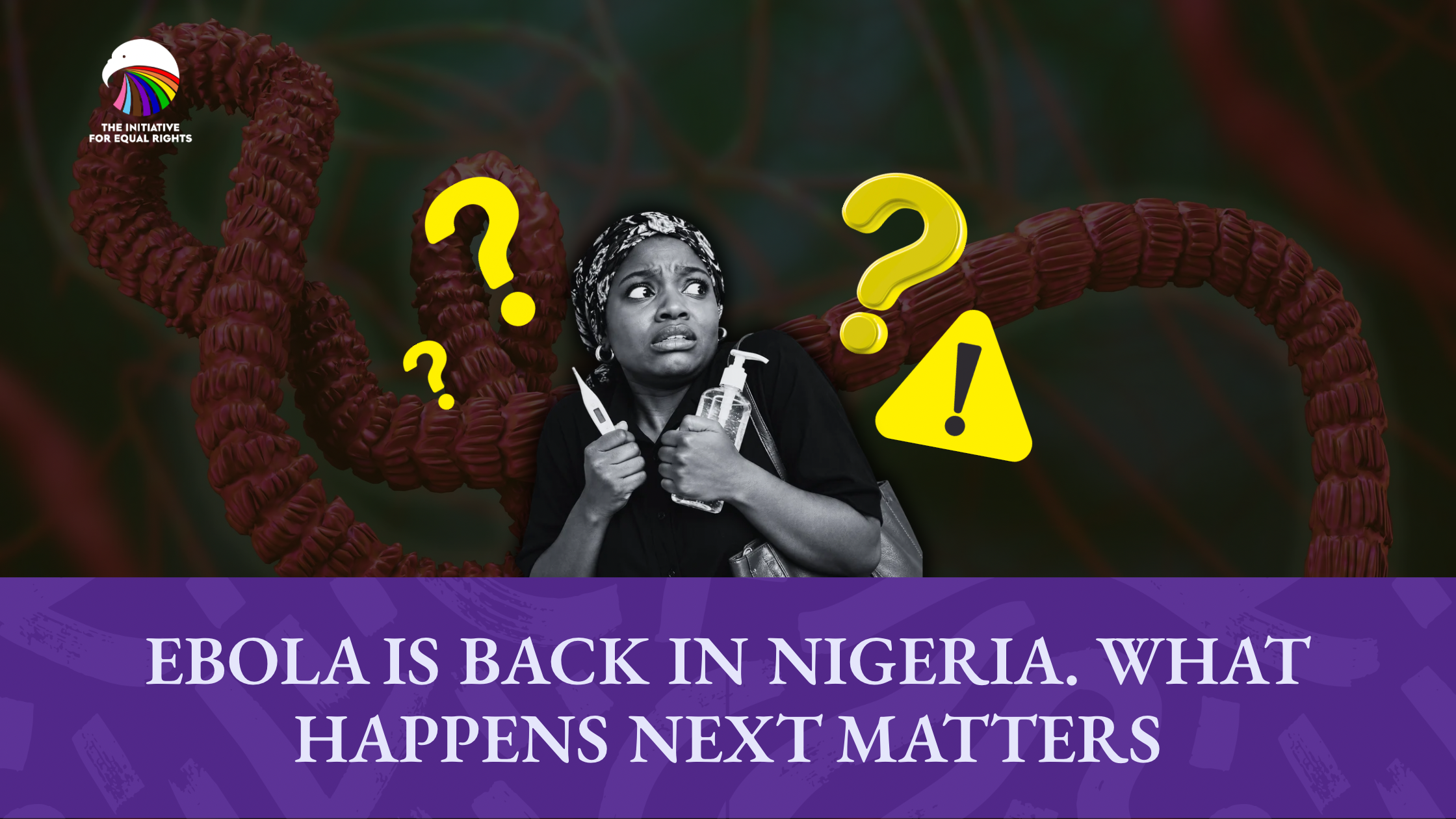
When a person falls ill, the first question is often where to go for care and what might be wrong. In Abuja, a woman who had recently travelled from Uganda began experiencing symptoms on 7 October and sought care at a private health facility four days later. On 20 October, laboratory tests confirmed that she had Ebola Bundibugyo virus disease. By then, public-health teams had begun identifying and monitoring people who may have been exposed, with 44 contacts identified so far.
Nigeria now faces the task of containing the infection and preventing further transmission. But this moment also raises a wider question: what does an effective outbreak response require, beyond confirming a case and tracing contacts?
Nigeria has faced Ebola before. In 2014, the country recorded 19 confirmed cases and one probable case, with eight deaths. Its experience showed the importance of identifying cases, tracing contacts, and coordinating the public-health response. That experience matters today, but so does another question: how well does our health system connect people to the care and information they need when a public-health emergency occurs?
An effective response does not begin only when a test confirms an infection. It also depends on what happens when someone first becomes ill, seeks medical attention, and shares information with health workers. Recognizing a possible case, providing appropriate care and identifying people who may have been exposed all depend on a system that can respond promptly.
But health systems are not experienced through policies and protocols alone. People encounter them through the services they use, the health workers they meet, the questions they are asked, and the way their information is handled.
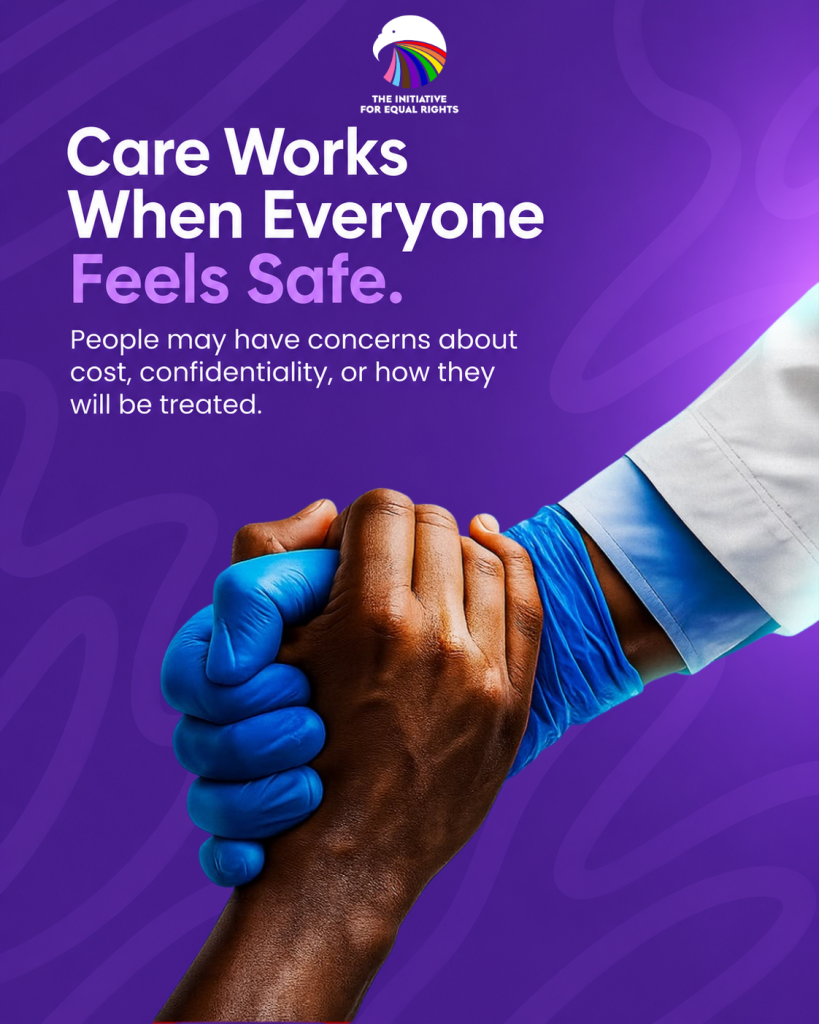
For organizations like TIERs, which provide health services and work with communities, these realities are part of the service-delivery conversation. People may have concerns about the cost of care, confidentiality, or how they will be treated. Sexual and gender minorities, for example, may also worry about stigma or discrimination because of previous experiences in healthcare settings. These concerns do not make anyone more susceptible to Ebola, but they can affect whether people feel safe seeking care and sharing information.
During an outbreak, that matters. Contact tracing depends on people being willing to provide accurate information. Public-health guidance depends on people understanding it and trusting the sources it comes from. Health workers need information that helps them respond, while patients need confidence that their privacy will be respected.
Trust is not separate from outbreak response. It helps make the response work. Government has a central responsibility to ensure that health facilities can recognize and manage suspected cases safely, that contacts are followed up and that the public receives clear, reliable updates. Protecting patient confidentiality must remain part of that work. Community organizations and service providers can also help communicate guidance through relationships and channels people already know and trust. These relationships are most valuable when they exist before an emergency, not only after one begins.
The public also has a role. Follow updates from credible sources, including the Nigeria Centre for Disease Control and Prevention (NCDC) and the World Health Organization. If you develop symptoms and believe you may have been exposed to Ebola, seek medical advice promptly and call a health facility or public-health authority before arriving, where possible. Avoid contact with the blood and other bodily fluids of anyone suspected of having Ebola, and do not circulate unverified claims or identifying information about suspected cases.
Nigeria’s immediate priority is to prevent further transmission. But this moment should also prompt us to look beyond the case itself. Are health facilities equipped to respond? Can people access care when they need it? Do they trust the information they receive and feel safe sharing what health workers need to know?
These questions extend beyond Ebola. They speak to the everyday relationship between people and the health services meant to protect them. How Nigeria responds now will matter not only for containing this infection, but also for what the country learns about being ready for the next public-health emergency
Stay informed. Follow us on Instagram for more updates: Ebola Is in Nigeria: Are We Ready?