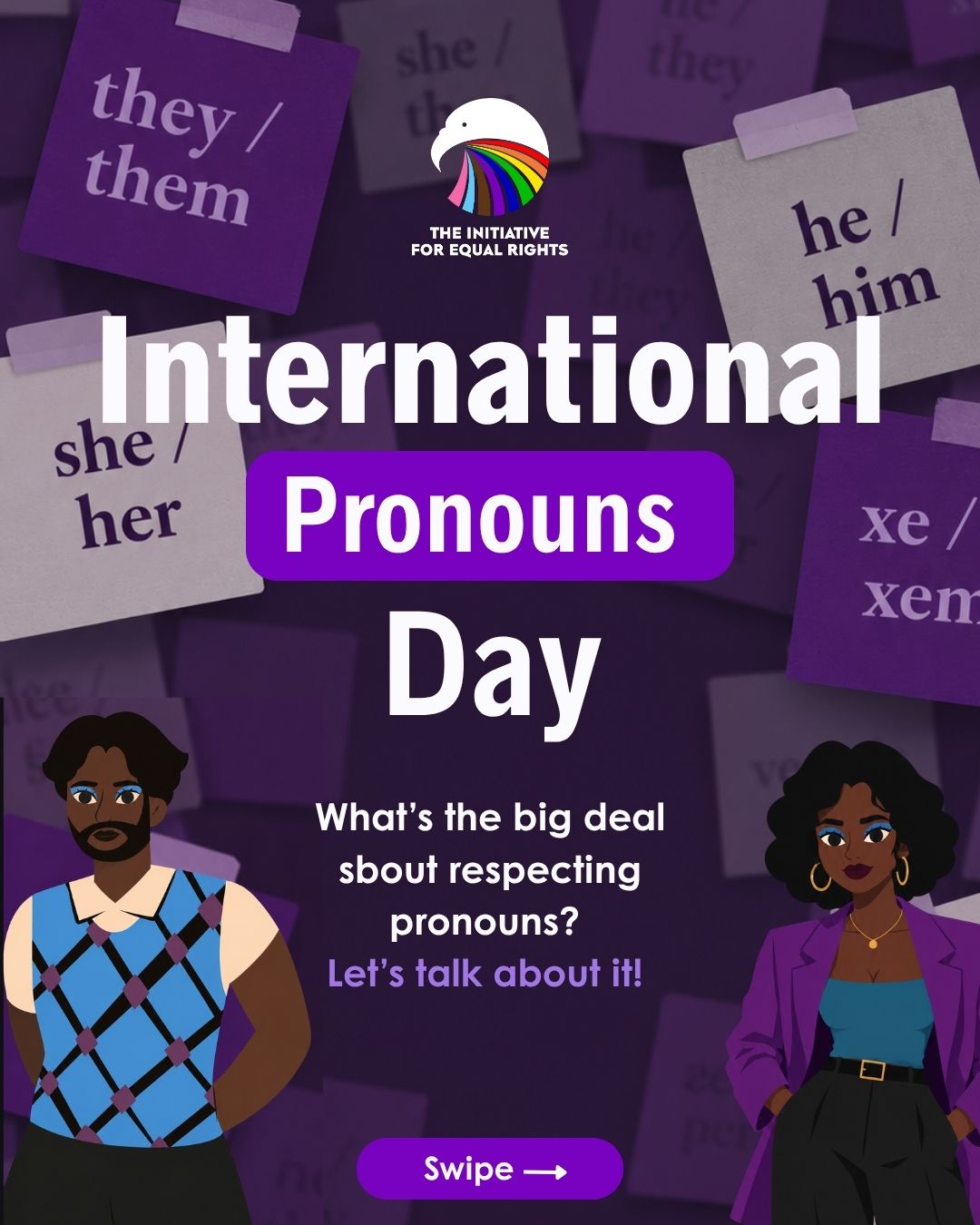
Nobody has ever started a fight over the word “the.” Nobody has trended over “and.” But “he,” “she,” and “they” keep turning up in headlines, political speeches and arguments online. They are ordinary little words. So why do they cause so much trouble? And who gets to decide what someone is called?
As we mark International Pronouns Day on 21 October, it is worth looking beyond the arguments to the people caught in them.
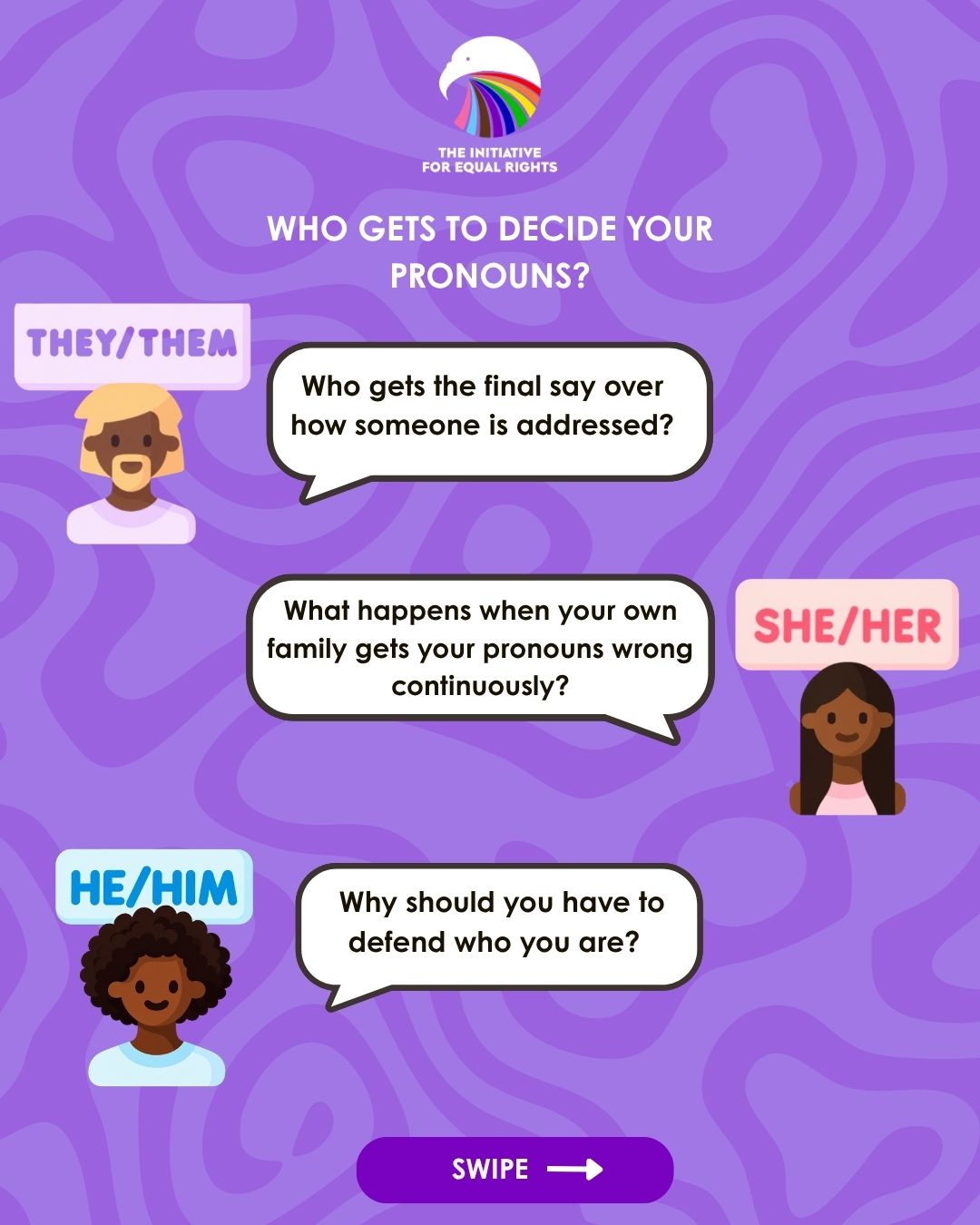
In September, US Senator Tim Scott joked at a Republican Party convention that God would need “special woke pronouns.” Meanwhile, debates over whether schools should use students’ chosen names and pronouns without parental consent continue in the United States and Canada. Different countries, different arguments, but the same underlying question: who gets the final say over how someone is addressed?
In Nigeria, pronouns rarely make the headlines, but that does not mean the issue is absent from our lives. The Same-Sex Marriage (Prohibition) Act does not specifically prohibit pronoun use, yet the wider legal and social climate can make openly expressing one’s gender identity risky. Sometimes, the pressure comes not through a law, but through a joke, a warning or someone insisting they know you better than you know yourself.
I have been addressed with the wrong pronoun once. It lasted only a few seconds, but I remember feeling as though I was being told to be a different gender from the one I am. My first instinct was to adjust how I behaved so I would not be seen as doing too much.
For some of my friends and acquaintances, this is not a one-off experience. “It’s our identity,” they say. Being misgendered can leave you weighing whether to correct someone and risk being ridiculed or stay quiet and carry the discomfort yourself. What may be a passing moment for one person can linger with another.
When Acceptance Comes With Conditions
It can hurt even more when it comes from family. Imagine asking your parents or siblings to use a particular pronoun, only for them to turn it into a joke or dismiss it as something you are not allowed to do. You are not just correcting a word. You are asking people who know you to take you seriously.
And queer communities are not immune. One person I spoke to, who asked to remain anonymous, recalled being out with community members they thought they could trust. When they asked to be addressed as he/they, some people laughed: “Is it not just he/they? Come off it. By the way, why are you he/they? Are you trans?”
There is something particularly painful about having to defend yourself in a space where you hoped you would be understood. A simple request becomes an interrogation, as though someone must explain their identity before they deserve consideration.
Why Getting Someone’s Pronouns Right Matters
Research also suggests that this kind of recognition matters. A 2024 Trevor Project analysis of more than 12,000 trans and nonbinary young people in the United States found that those whose pronouns were respected by most people in their lives reported fewer suicide attempts in the previous year. The findings do not prove that pronoun respect alone causes better mental health, and they cannot tell us exactly what the experience is like in Nigeria. But they are a reminder not to dismiss everyday experiences of acceptance or rejection as trivial.
Getting someone’s pronouns right does not have to be complicated. Ask if you are unsure. If you make a mistake, apologise, correct yourself and move on. And remember that knowing someone’s pronouns does not mean you can share them in every setting. In Nigeria, where disclosure can expose people to harm, check whether it is safe before using them around family, at church or at work.
Perhaps we do not need to understand every part of someone’s experience before we can respect it. We only need to recognise that the person asking is the one who has to live with being called something that does not fit.
Nobody has ever fought over “the” or “and.” But “he,” “she,” and “they” have become battlegrounds because people treat the identities behind those words as something they are entitled to question. Sometimes, calling someone what they have asked to be called is simply a way of saying: I see you.
Written by Vivian Nwachukwu
Edited by Bernard and Lilith